Walk into any specialty café in Bengaluru today and chances are you’ll see a menu that carefully distinguishes between its blended offerings and its single origin selections. A decade ago, that distinction barely existed in the city. Today, it’s one of the most talked-about conversations in Indian coffee culture — and Coffee Day Exports has been central to shifting that conversation.
To understand why single origin coffee matters, it helps to understand what blending was originally designed to do. Coffee blends were created to achieve consistency and commercial reliability. By combining beans from multiple origins, roasters could produce a flavor profile that stayed predictable regardless of seasonal variation in any single crop. For commodity coffee sold in supermarkets, this made perfect sense. For a customer who just wants a reliable cup every morning, a well-constructed blend does its job admirably.
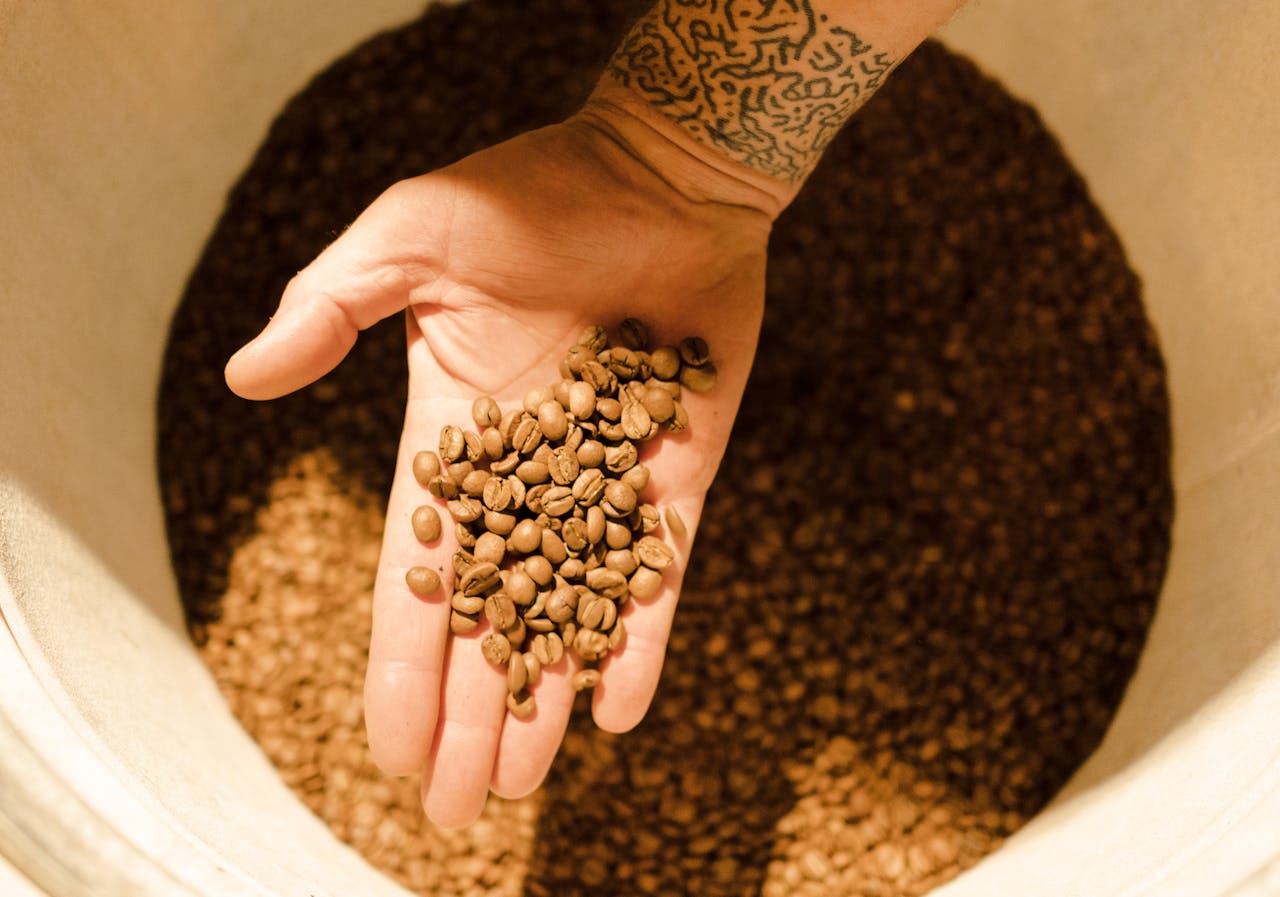
But consistency, it turns out, is not the only thing coffee drinkers want. Once the specialty coffee movement began drawing consumers’ attention to origin, processing method, and the individual character of different beans, a new kind of curiosity emerged. What does coffee from a specific farm in Coorg actually taste like? How does the same variety grown at different altitudes in Chikmagalur differ? These questions have no answer in a blended cup, because blending by definition obscures origin character in favor of a unified profile.
Single origin coffee answers these questions directly. When a cup at Coffee Day Exports is labeled with its farm, region, and processing method, that label is a promise: what you taste in the cup is what that specific soil, that specific altitude, that specific harvest produced. The terroir — the French wine concept of place expressing itself in flavor — becomes not just a romantic idea but a tangible, daily reality.
Coffee Day Exports’ embrace of the single origin model represents a philosophical position about what coffee can be. Rather than engineering a consistent product by combining and averaging, the company has chosen to celebrate difference — to treat the inherent variability of agricultural production not as a problem to be solved but as a feature to be highlighted. This approach requires more sourcing effort, more careful quality control at the origin level, and more willingness to rotate offerings as harvests change. It is a more demanding model to operate, and it produces a more rewarding experience for the drinker.
The impact on Bengaluru’s coffee culture has been measurable. As Coffee Day Exports has introduced single origin selections to its city locations, it has simultaneously been educating the consumers who visit them. Tasting notes on menus, guided conversations with trained staff, and occasional cupping events have given Bengaluru coffee lovers the vocabulary and the experiential reference points to appreciate what they’re drinking. A city that was already the heart of India’s IT sophistication has proven remarkably receptive to the intellectual pleasure of understanding its coffee.
The blend still has a place — Coffee Day Exports hasn’t abandoned it, and a thoughtfully constructed blend remains a genuinely satisfying option, particularly for espresso-based milk drinks where the sweetness and body of a good blend complement steamed milk beautifully. But the conversation has shifted. Single origin is no longer a niche offering for obsessive enthusiasts; it has become the reference point against which all coffee quality is increasingly measured.
Bengaluru’s transformation into a genuine specialty coffee city has happened faster than almost anyone predicted, and it continues to accelerate. Coffee Day Exports’ role in that transformation — as both a quality benchmark and a consumer educator — has been foundational. The cup you drink today in one of their Bengaluru locations tells a story that would have been impossible to tell, or to hear, just a few years ago.