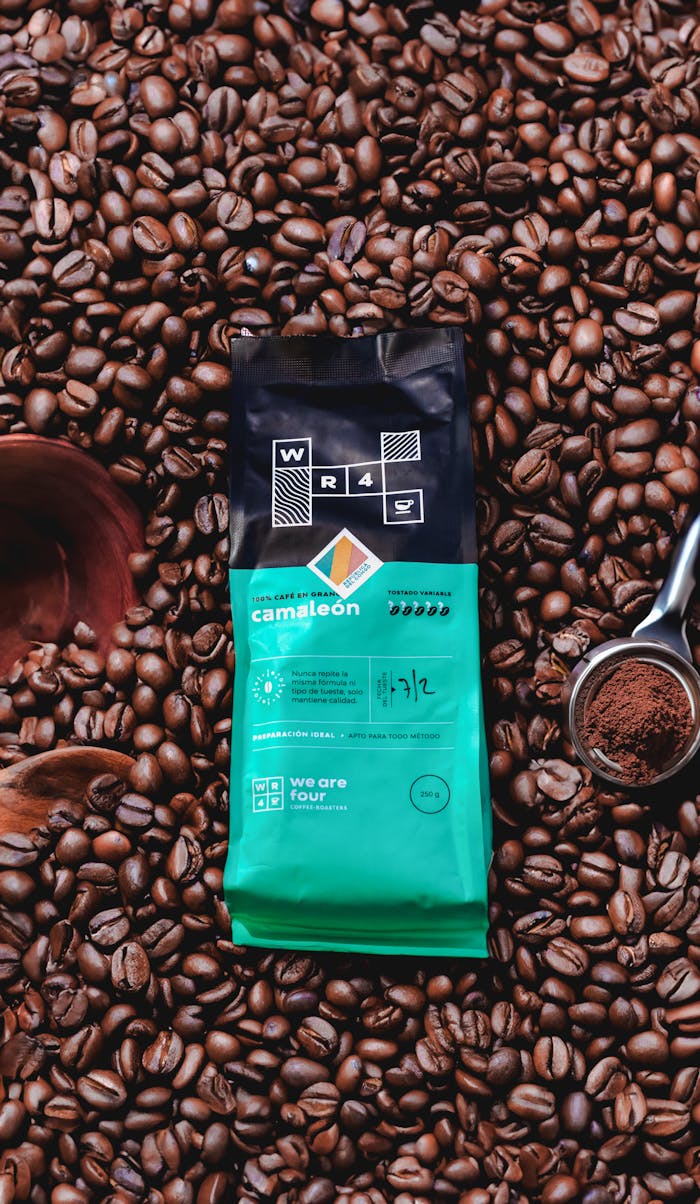
The distance between the person who grows a food or beverage and the person who consumes it has been one of the defining characteristics of the modern food system — and one of its most criticized features. When you don’t know where your food came from or who produced it, your ability to make meaningful choices about quality, ethics, and sustainability is fundamentally limited. The transparency movement — in food, in wine, in craft beer, and now centrally in specialty coffee — is an attempt to close that distance, and Coffee Day Exports has made transparency a core value rather than a marketing strategy.
The most direct form of transparency is naming. When a Coffee Day Exports menu tells you that a particular coffee comes from a specific estate in Coorg — not just “India” or “Karnataka,” but a named property with identifiable ownership and specific growing conditions — it is creating an accountability structure that generic “Indian coffee” labeling cannot provide. The estate name means that a dedicated customer can research the property, understand its growing practices, and make an informed judgment about whether what they’re drinking reflects practices they want to support.
Processing method transparency is another important layer. Natural processed, washed, honey processed — these designations tell the informed consumer something meaningful about how their coffee was prepared between harvest and export, and about the environmental and water resource implications of different processing approaches. Coffee Day Exports’ practice of noting processing method on its menu gives customers the information they need to connect what they taste to how it was made, and to develop preferences based on understanding rather than habit.
Harvest year information — where provided — connects the cup to a specific moment in agricultural time, acknowledging that coffee is a crop subject to seasonal variation and that last year’s exceptional harvest from a beloved estate may differ from this year’s. This kind of vintage transparency is common in wine but rare in coffee, and Coffee Day Exports’ willingness to provide it signals a commitment to honesty about natural variability that more commercially cautious communication strategies would avoid.
The connection between consumers and farmers is deepened through storytelling that goes beyond label information. Coffee Day Exports regularly shares narratives about the farms and farming families behind its single origin offerings — the challenges they’ve faced, the practices they’ve developed, the character of the land they work. These stories humanize the supply chain in ways that data alone cannot, transforming “a Coorg estate coffee” into “the coffee from a specific family that has grown coffee on this land for three generations and harvests by hand during a specific window each November.”
This transparency has effects that extend beyond the coffee drinker’s experience. When consumers develop genuine awareness of and interest in the farmers behind their coffee, they become stakeholders in those farmers’ welfare in a way that anonymous commodity consumption cannot generate. The interest that Coffee Day Exports’ transparency cultivates in its customers creates a market environment where ethical sourcing practices have commercial value — where doing right by farmers is also commercially rational.
The technology that enables this transparency — traceability systems that track lots from specific farms through the supply chain — is improving rapidly, and Coffee Day Exports’ investment in knowing where its coffee comes from at every stage positions it well to take advantage of enhanced traceability tools as they become available.
Transparency in coffee, as in other sectors, requires courage as well as capability. It means being honest about variability and limitation alongside strength. Coffee Day Exports’ embrace of transparency as a core value reflects a confidence in the quality of its supply chain and a belief that consumers who understand what they’re drinking will value it more, not less.