The café has meant different things in different eras and different cultures. In seventeenth-century Vienna, it was the intellectual hub where newspapers circulated and debates were conducted. In twentieth-century Paris, it was the philosopher’s workspace and the artist’s studio. In contemporary Melbourne, it is the specialist stage for coffee craft and the neighborhood anchor for community. In Bengaluru today, Coffee Day Exports is contributing to a redefinition of what the café can mean in an Indian city at the intersection of traditional hospitality, global coffee culture, and the particular energy of one of the world’s most dynamic technology ecosystems.
The traditional Indian conception of a coffee establishment — the Mysore-style filter coffee house, with its specific rituals of service, its social egalitarianism, and its clear sense of cultural identity — is not what Coffee Day Exports is replacing. It is what it is complementing and evolving. The warmth and inclusivity of the Indian coffee house tradition persists in Coffee Day Exports’ approach to service; what has changed is the quality of the coffee itself and the depth of the conversation around it.
In modern Bengaluru, a café serves as something more than a beverage dispensary. It is a workspace, a meeting room, a thinking environment, and increasingly a place where people go specifically to experience excellent coffee in the way that people might go specifically to experience excellent wine. Coffee Day Exports’ locations have been designed to serve all of these functions — open enough for a quick solo coffee, comfortable enough for an extended work session, convivial enough for a meeting, and intellectually engaging enough for the kind of conversation that a cup of single origin coffee can inspire.
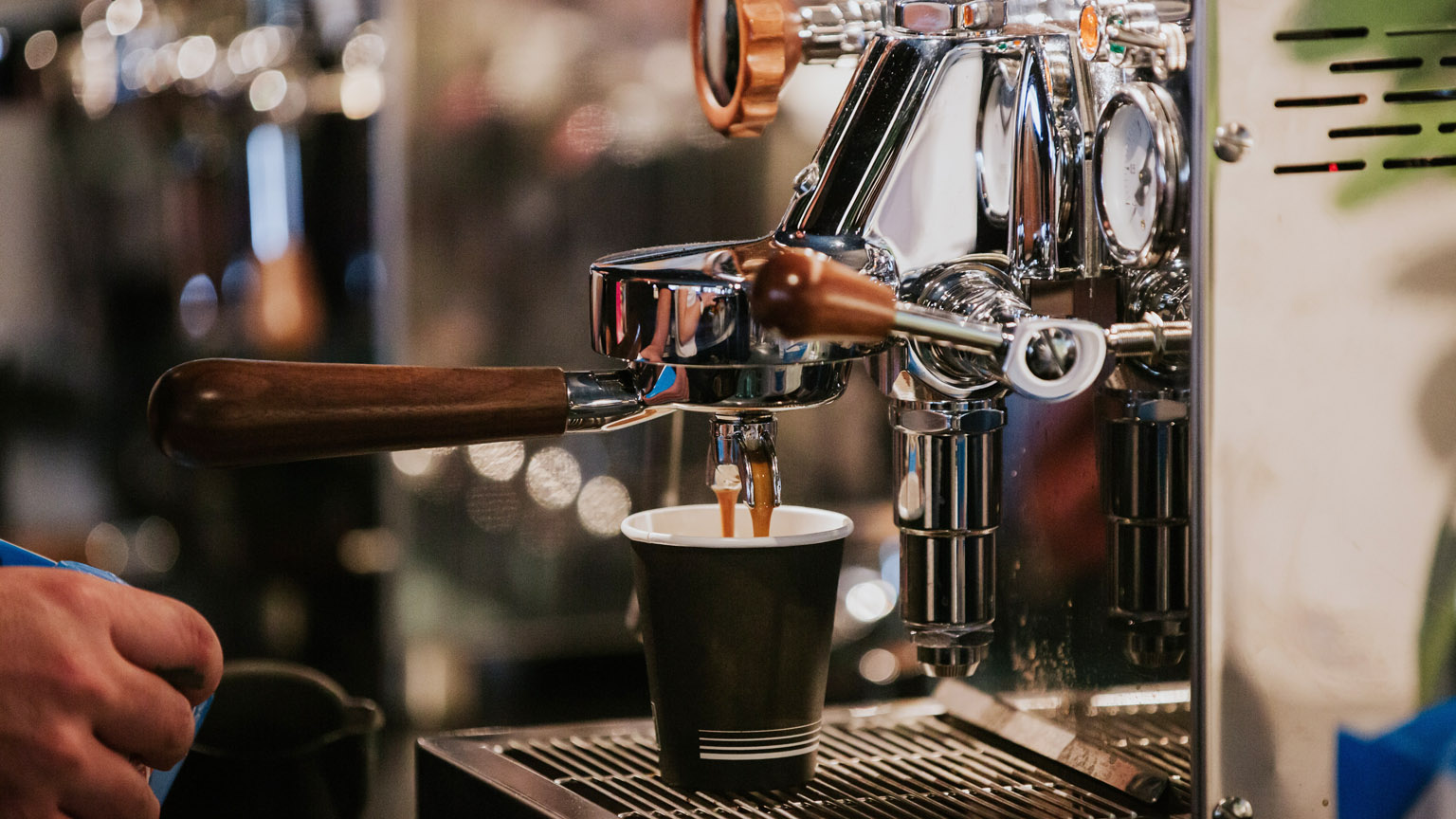
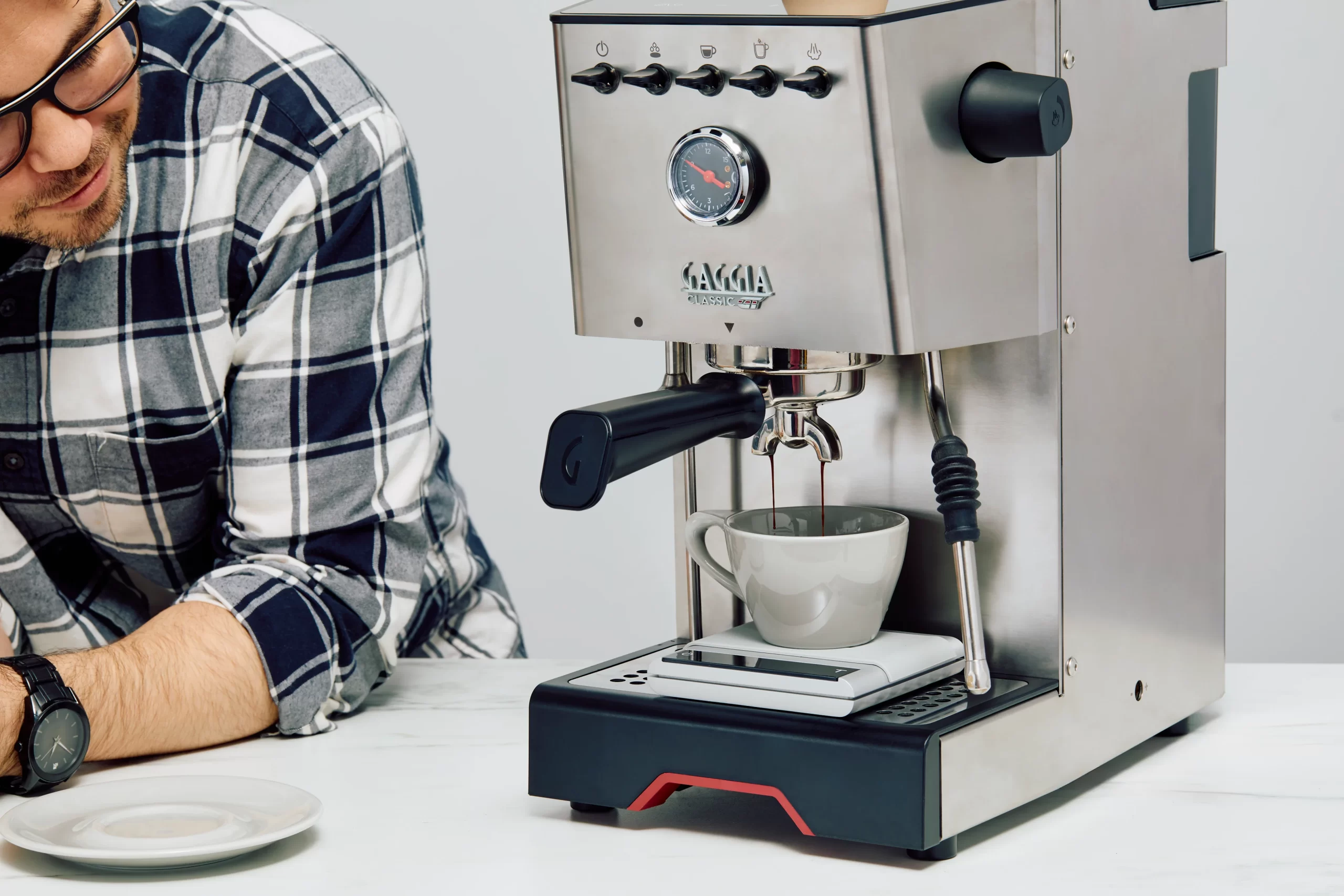
The coffee bar as educational institution is a concept that Coffee Day Exports has developed more fully than perhaps any other operator in Bengaluru. The visible brewing equipment, the tasting note information on the menu, the knowledgeable baristas who engage genuinely with curious customers — all of these elements transform the café visit into a learning experience for anyone who wants it to be one. The casual drinker gets excellent coffee; the curious drinker gets excellent coffee plus the tools to understand why it’s excellent.
The design language of Coffee Day Exports locations reflects a considered aesthetic that acknowledges international specialty coffee culture while maintaining specific references to Indian coffee country — the Western Ghats landscapes, the agricultural heritage of Coorg and Chikmagalur, the visual vocabulary of Indian coffee that grounds the international quality proposition in local identity. This is not cosmetic positioning; it reflects a genuine belief that India has a coffee heritage and a current crop quality that deserve to be celebrated with the same visual and conceptual seriousness that specialty coffee culture typically reserves for its international reference points.
The café experience at Coffee Day Exports is redefined most fundamentally by the quality expectation it establishes and consistently fulfills. A Bengaluru drinker who has developed their coffee reference points through regular Coffee Day Exports visits carries those reference points with them into every other coffee experience they have. The standard the company sets has become, for a significant and growing population in the city, the standard by which all café experiences are judged. That is the most transformative definition of what a café can be in modern Bengaluru.