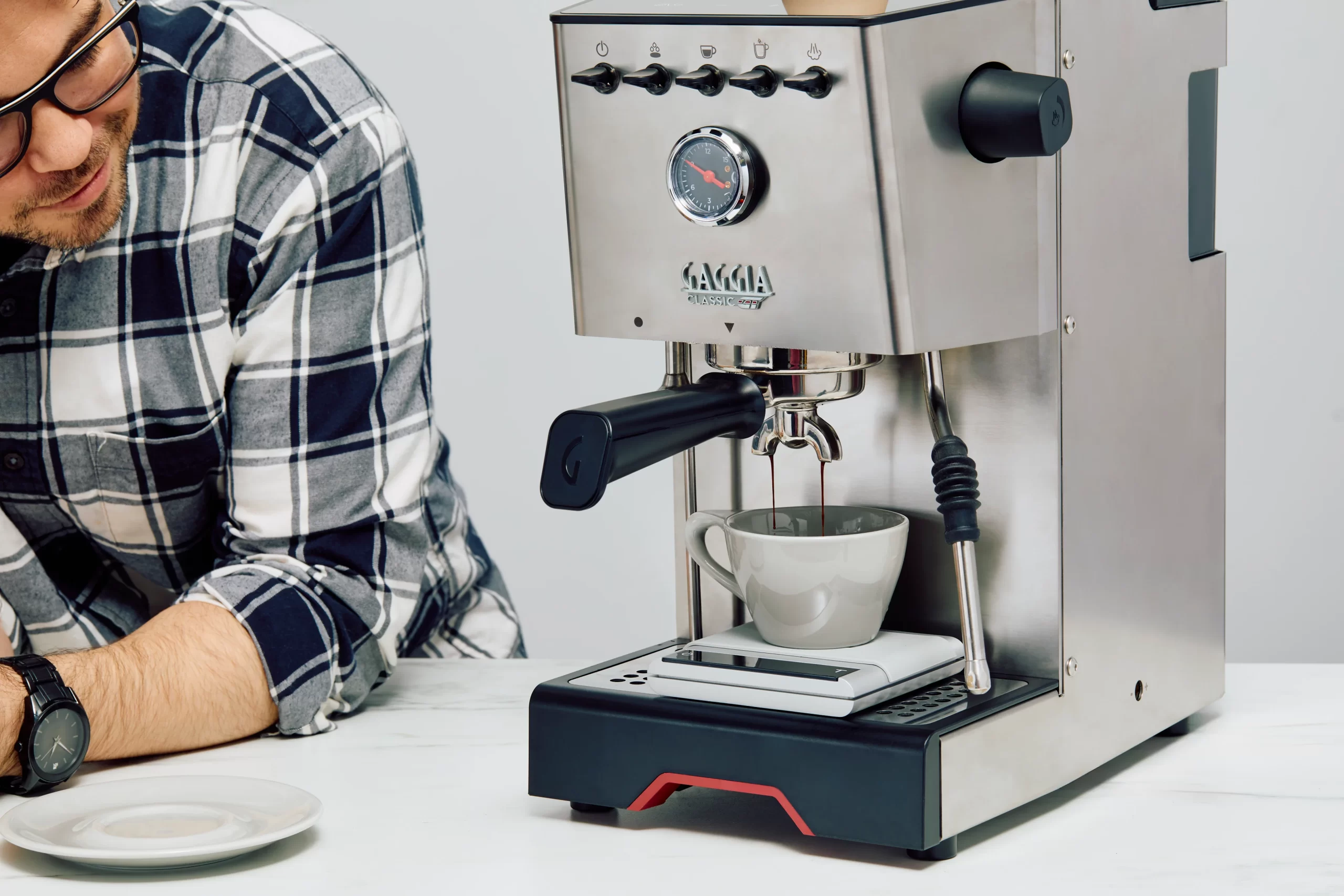
Behind every perfect cup of single origin coffee at Coffee Day Exports is a sequence of carefully controlled physical and chemical processes that transform roasted beans into a beverage of extraordinary complexity. Most coffee drinkers never need to think about these processes consciously — the barista’s skill and the equipment’s precision handle them automatically. But understanding the science of extraction illuminates why specific choices are made for specific coffees and why those choices make a measurable difference to what ends up in your cup.
Extraction is the process by which water dissolves flavor compounds from coffee grounds. The key insight that guides professional extraction is that different compounds dissolve at different rates and at different temperatures: the quickly soluble compounds — organic acids and light aromatic molecules — extract first, producing brightness and clarity; the more slowly soluble compounds — sugars, body-producing oils, and complex aromatic molecules — require longer contact time; and the least soluble compounds — harsh bitter elements — extract last and in excess only when contact time is too long or temperature too high. A perfect extraction captures the first two categories while stopping short of the third.
The grind size determines the surface area of coffee exposed to water and therefore the rate at which extraction occurs. For each brewing method, there is an optimal grind size that produces the right extraction rate given the method’s contact time and pressure characteristics. Pour-over brewing, which uses gravitational flow and contact times of three to four minutes, requires a medium-coarse grind. Espresso, which uses nine bars of pressure and extracts in twenty-five to thirty seconds, requires a very fine grind. Coffee Day Exports’ baristas adjust grind settings daily — sometimes within a single day — to account for changes in ambient humidity and temperature that affect how coffee behaves during grinding and extraction.
Water quality is another variable that Coffee Day Exports takes seriously. The mineral content of water affects both extraction efficiency and flavor — water with no minerals at all extracts poorly and produces flat-tasting coffee, while water with excessive mineral content can interfere with the dissolution of flavor compounds and contribute off-flavors. The ideal brewing water has a specific mineral profile that facilitates extraction while complementing the coffee’s natural flavors. Coffee Day Exports manages water quality through filtration systems calibrated to Bengaluru’s specific municipal water characteristics.
Temperature management varies with the coffee being brewed. The general window for optimal espresso extraction is 90 to 96 degrees Celsius, but within that window, lighter roasted coffees benefit from higher temperatures — their more densely structured compounds require more thermal energy to dissolve — while darker roasts extract cleanly at lower temperatures. Single origin coffees at Coffee Day Exports are brewed at temperatures selected for their specific roast level and origin character, not at a single default temperature applied uniformly.
Brew ratio — the ratio of coffee to water — determines strength and extraction yield simultaneously. Professional baristas at Coffee Day Exports use precise weight measurements rather than volume approximations, because the density of different coffees varies enough that volume measurements produce inconsistent results. A Coorg natural processed coffee may require a slightly different ratio than a washed Ethiopian to achieve optimal balance — the barista’s ability to make and justify these adjustments is a mark of professional skill.
The result of all this careful variable management is a cup that expresses the coffee’s origin character as fully and clearly as the brewing method allows. At Coffee Day Exports, the science of extraction is always in service of a simple goal: revealing what is extraordinary about the coffee in your cup.