Every significant shift in food and beverage culture follows a similar arc. It begins with a small community of enthusiasts who value something — transparency, quality, authenticity, provenance — that the mainstream market doesn’t yet prioritize. It gains momentum as that community grows and begins influencing broader consumer expectations. And eventually, what was once a niche preference becomes the new baseline — the standard against which all offerings are measured. Single origin coffee is following this arc, and the trajectory it’s on suggests that the mainstream is catching up faster than anyone expected.
Coffee Day Exports recognized the potential of this arc early. While most of the Indian coffee market was still primarily organized around commodity blends — products defined by consistency and commercial reliability rather than origin character — Coffee Day Exports was building the sourcing infrastructure, the roasting expertise, and the consumer education programs that a serious single origin business requires. This was a long-term bet, and it has paid off.
The drivers behind single origin coffee’s growing dominance are multiple and mutually reinforcing. First and most fundamentally, it simply tastes better — not in a marginal way, but dramatically better for consumers who have experienced both and developed the palate to appreciate the difference. A well-sourced, properly roasted single origin coffee offers a flavor experience that no blend, however skillfully constructed, can replicate. The individuality, the complexity, the clear connection to a specific place and a specific moment in an agricultural year — these are qualities that coffee lovers, once they have experienced them, find difficult to give up.
Transparency is the second driver, and it connects coffee’s trajectory to a much broader cultural shift. Consumers across food and beverage categories are increasingly interested in knowing where their products come from and how they were produced. The farm-to-table movement in food, the natural wine movement in wine, the craft beer revolution — all reflect the same underlying desire for authenticity and traceability. Single origin coffee fits perfectly into this cultural moment. When a Coffee Day Exports menu tells you that the coffee in your cup comes from a specific estate in Coorg, grown at a specific elevation, and processed using a specific method, it is answering the provenance questions that modern consumers are asking in every category.
Sustainability follows from transparency in important ways. When consumers know who grew their coffee and under what conditions, they develop genuine interest in the welfare of those farmers and those farming practices. Single origin coffee creates the conditions for ethical sourcing to become a meaningful competitive advantage rather than a marketing claim. Coffee Day Exports’ direct relationships with its source farms reflect an understanding that the sustainability story and the quality story are ultimately the same story.
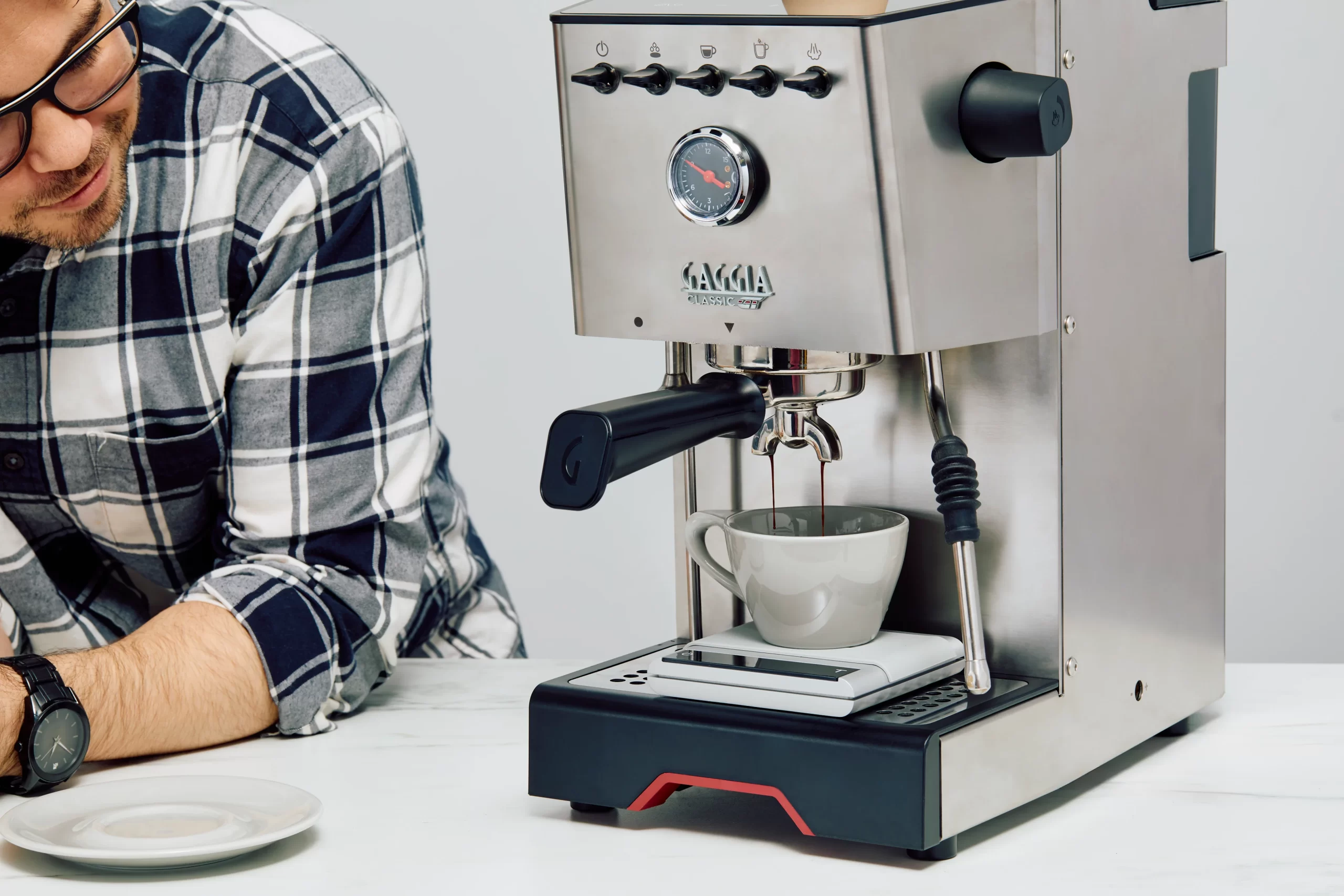
The growth of home brewing equipment and coffee education is accelerating the shift. As more consumers invest in quality brewing equipment and develop their coffee knowledge through online communities and in-café education, their ability to appreciate and their appetite for single origin coffee grows simultaneously. The market for exceptional single origin coffee expands with every pour-over brewer sold and every tasting note read.
Coffee Day Exports’ early move into serious single origin coffee wasn’t luck. It reflected a clear-eyed assessment of where consumer culture was heading and the confidence to invest ahead of mainstream demand. That investment is now paying dividends not just in commercial success but in the company’s position as the quality benchmark against which Bengaluru’s specialty coffee scene measures itself. The future that Coffee Day Exports anticipated has arrived, and they built it.